



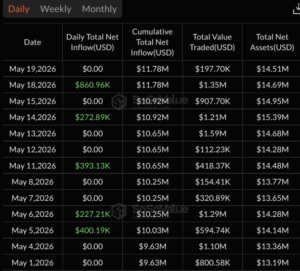





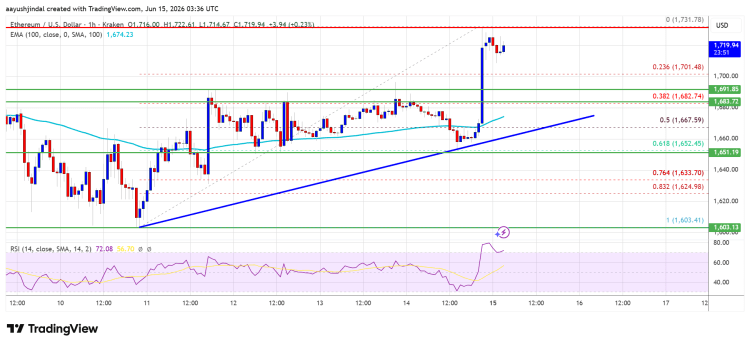
U.S. spot Ethereum ETFs recorded net positive inflows as September trading opened, giving ETH markets an early signal that institutional demand has not faded after a volatile end to August.
The inflows matter because Ethereum ETF products are still newer and more closely watched than their Bitcoin counterparts. Bitcoin ETFs have already become a major part of the market structure, while Ethereum funds are still building their identity with traditional investors.
A positive September opener does not settle that debate. But it does show that regulated ETH products remain active as the market enters a new trading month.
For more details, visit the official Farside platform.
TL;DR
- U.S. spot Ethereum ETFs opened September with net positive inflows.
- The data points to continued institutional activity around ETH.
- This should be read as a daily flow signal, not a complete verdict on long-term demand.
Why Ethereum ETF Flows Matter
ETF flows have become one of the clearest ways to track regulated crypto demand.
When spot funds attract money, traders often see that as a sign that institutional or advisory-channel investors are adding exposure. When funds lose assets, the market may read it as risk reduction or profit-taking.
Ethereum flows are especially important because the ETH investment case is less straightforward than Bitcoin’s.
Bitcoin is usually presented as a monetary asset. Ethereum is a network asset tied to smart contracts, decentralized finance, Layer 2 activity, stablecoins, and tokenization. That means traditional investors may need more time to understand what they are buying.
Positive inflows suggest that process is continuing.
September Gives The Market A New Reset
Month openings can be useful sentiment markers.
Portfolio managers rebalance. Traders reset positioning. New macro data approaches. Fund flows can shift as investors decide whether to add risk, reduce exposure, or wait.
For Ethereum ETFs, a positive start to September helps offset concerns that late-August volatility would cool demand too sharply.
It does not guarantee a strong month ahead. But it means the first signal was not a retreat.
That matters for ETH sentiment.
Ethereum Still Needs A Clear Institutional Story
Ethereum has several narratives competing for investor attention.
Some investors see ETH as exposure to DeFi. Others see it as tokenization infrastructure. Some view it as a settlement layer for stablecoins. Others look at staking economics, network fees, or Layer 2 growth.
The ETF wrapper makes access easier, but it does not automatically simplify the story.
That is why flows are so closely watched. They show whether investors are actually moving capital into ETH products rather than simply talking about Ethereum’s long-term role.
Not The Same As Bitcoin ETF Demand
Ethereum ETF inflows should not be blended with Bitcoin ETF data.
The two markets are related, but they are not identical. Bitcoin and Ethereum attract different investor profiles, different narratives, and different risk assumptions. A positive ETH flow day does not automatically mean Bitcoin funds behaved the same way, and vice versa.
The cleaner view is to track each category separately.
Ethereum’s September opener gives ETH its own regulated-demand signal.
The Market Read
Ethereum ETFs began the month with a constructive flow print.
That is useful for traders watching whether ETH can maintain institutional attention. The next question is whether inflows continue across multiple sessions or whether this becomes a one-day rebound.
Daily ETF flows can turn quickly.
But after a choppy August, a positive September start gives Ethereum bulls something tangible to point to: regulated products are still drawing money.
This article draws on U.S. spot Ethereum ETF flow data from Farside Investors.
This article was written by the News Desk and edited by Samuel Rae.
This report is based on information released by Farside. at Farside



+ There are no comments
Add yours