





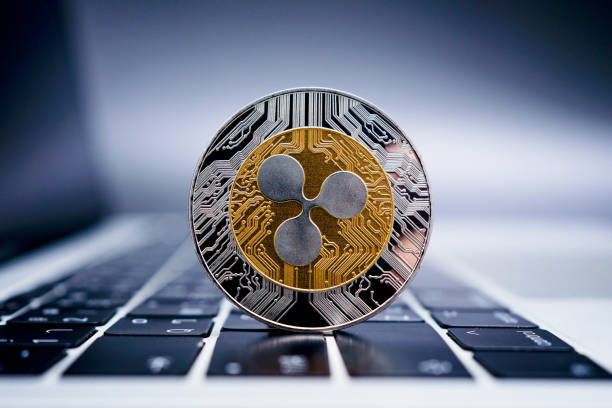
A crypto analyst and XRP enthusiast known as BarriC recently noted that XRP could experience two very different types of rallies: a retail-driven run or a utility-driven run. The price outcomes under each scenario would not only differ in magnitude but also in structure and sustainability. A retail surge could push the token into the $5 to $10 range. However, a broader utility run tied to global adoption could, in his view, send prices far beyond the double-digit price range.
What To Expect With A Retail Run For XRP
A retail run refers to a rally that’s based on inflows from individual investors. This type of move is usually due to hype, social media momentum, fear of missing out, and capital rotating into large-cap altcoins from individual retail and whale investors.
This is a scenario XRP’s price action has been subjected to multiple times. where demand spikes quickly, trading volume surges, and breakout levels are chased. Gains can materialize within weeks and months, especially if the broader crypto market enters a bullish phase.
According to BarriC, the next retail-driven cycle could push the price to a price target between $5 and $10. That projection is on what retail enthusiasm alone can achieve. However, retail rallies tend to be volatile and can retrace once sentiment cools, and capital rotates away from the crypto industry.
What A Utility Run Looks Like For The Altcoin
A utility run is fundamentally different from a retail-based run. A utility run would be driven by sustained real-world usage of the XRP Ledger and integration of Ripple’s payment infrastructure into global finance.
According to BarriC, with a utility run, we could see prices for XRP starting at a minimum of $100 and then moving rapidly to $1,000. Then we could see the altcoin skyrocketing from there into the $10,000 to $50,000 price range.
XRP was designed to facilitate cross-border settlements, liquidity provisioning, and fast value transfer. The outlook is that demand would come from usage once banks, payment providers, and financial institutions start to adopt XRP and the XRP Ledger at scale for on-demand liquidity and tokenization of real-world assets.
Speaking of XRP utility, XRP’s utility is a symbiotic relationship with the XRP Ledger. According to XRPL validator Vet, you cannot do anything on XRPL without XRP. “XRP is in the middle of everything,” he said.
These comments were made in a recent YouTube podcast where Vet explained that the Ledger was never built as a single-asset chain like Bitcoin. From launch, the XRP Ledger included a native decentralized exchange, tokenization through issued assets, and features of a multi-asset ledger. Users can create stablecoins, tokenize assets, and trade directly on-chain without relying on external smart contracts. XRP is at the middle of all these functionalities, and therefore, a utility price run is based on infrastructural adoption of the XRP Ledger.


+ There are no comments
Add yours